Pass EMC Compliance on the First Attempt
Virtual EMI/EMC laboratory for
Our Clients








EMC failures are expensive, late, and avoidable

What Simyog Does
Anticipate and address EMI/EMC roadblocks before they derail delivery
Compress your design cycle by predicting EMC issues months before lab testing.
Reduce BOM expenses and eliminate expensive prototype iterations that drain margins.
Reduce BOM expenses and eliminate expensive prototype iterations that drain margins.
Reduce BOM expenses and eliminate expensive prototype iterations that drain margins.
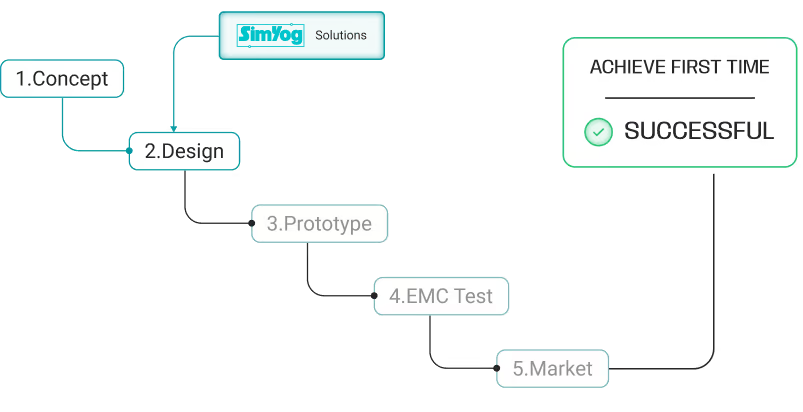
Lab‑correlated results you can trust

Walk into the lab knowing your design will pass on first try
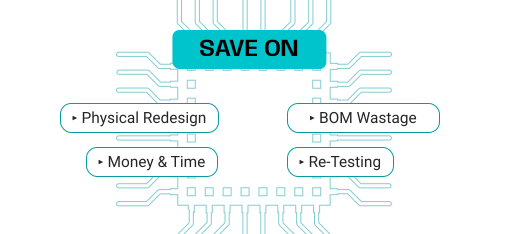


Real ROI for hardware teams
The numbers speak for themselves when you stop guessing and start knowing.
Lower EMC-BOM Costs
Faster time to market
Lower R&D operational costs
Three tools, one mission
Each built to solve what matters in compliance
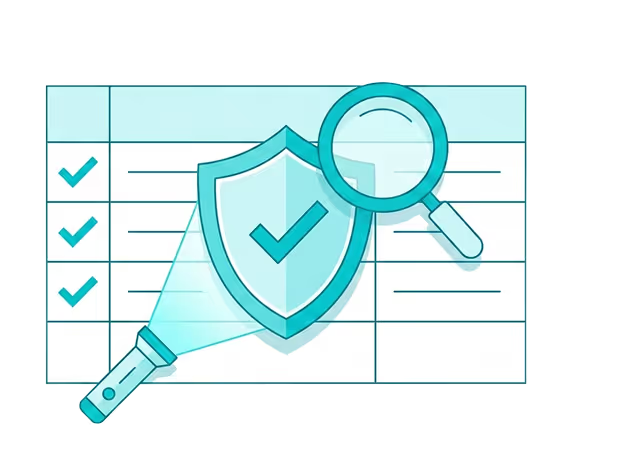

Compliance-Scope® validates at the PCB-level
Virtual lab catches failures before prototypes

%202.avif)
%202.avif)

How Simyog fits into your flow
Each built to solve what matters in compliance
Import design
Upload your design files and get EMC diagnostics in hours, not months of lab cycles.
Configure test
Upload your design files and get EMC diagnostics in hours, not months of lab cycles.
Simulate like a lab
Upload your design files and get EMC diagnostics in hours, not months of lab cycles.
Diagnose and fix
Upload your design files and get EMC diagnostics in hours, not months of lab cycles.
What our customers say

“SimYog’s EMI/EMC simulation at the design stage significantly reduces the risk of delays & higher verification costs during the certification stage. One can benefit from sample production cost savings, faster time-to-market, and improved product performance. SimYog plays a significant part in our product success, and we are excited about the promising roadmap.”


“SimYog products are already in use at several top 10 semiconductor, Tier-1, OEM, and Defence companies. That’s why we believe that SimYog is a great partner for us at Hexagon Manufacturing Intelligence and we look forward to creating a win-win situation for us and our customers.”

Frequently Asked Questions
We answer the questions that matter most to teams
Is a CMS suitable for beginners?
Absolutely! Many CMS platforms are designed with beginners in mind, offering intuitive interfaces and easy-to-follow tutorials. They allow users with little to no technical experience to create and manage websites effectively. With the right CMS, even those new to web development can build a professional-looking site.
What kind of support is available for CMS users?
Support for CMS users varies by platform. Many popular CMS options offer extensive documentation, community forums, and customer support services. Additionally, some platforms provide premium support plans for users who need more personalized assistance. It's advisable to check the support options available before choosing a CMS.
Can I customize my CMS?
Yes, most CMS platforms allow for extensive customization. You can modify themes, add plugins, and create custom content types to tailor the CMS to your specific needs. This flexibility enables you to create a unique website that aligns with your brand and meets your audience's expectations.
How often should I update my CMS?
It's important to update your CMS regularly to ensure security and functionality. Most CMS platforms release updates that include security patches, new features, and performance improvements. Setting a schedule for regular updates can help keep your site secure and running smoothly.
How does a CMS affect SEO?
A CMS can significantly impact your site's SEO. Many platforms come with built-in SEO tools that help optimize content for search engines. Features like customizable URLs, meta tags, and sitemaps can enhance your site's visibility. However, it's crucial to understand how to use these tools effectively to maximize your SEO efforts.
Can I use a CMS for e-commerce?
Yes, many CMS platforms are designed to support e-commerce functionality. They offer features such as product management, payment processing, and inventory tracking. Popular e-commerce CMS options include WooCommerce for WordPress and Shopify, which provide tools to create and manage online stores effectively.
Is a CMS secure?
While no system is completely immune to security threats, many CMS platforms offer robust security features. Regular updates, strong user authentication, and security plugins can help protect your site. It's essential to follow best practices, such as using strong passwords and keeping your CMS and plugins updated to minimize vulnerabilities.
How do I choose the right CMS?
Choosing the right CMS depends on your specific needs. Consider factors such as ease of use, customization options, scalability, and support. Evaluate the features that are most important for your project, such as e-commerce capabilities, blogging tools, or multimedia support. It's also helpful to read reviews and compare different platforms.
What are the benefits of using a CMS?
Using a CMS offers numerous benefits, including ease of use, flexibility, and scalability. It allows multiple users to collaborate on content creation, provides templates for consistent design, and often includes built-in SEO tools to enhance visibility. Additionally, a CMS can streamline workflows and reduce the time needed to publish content.
What is a CMS?
A Content Management System (CMS) is a software application that allows users to create, manage, and modify content on a website without needing specialized technical knowledge. It provides a user-friendly interface for managing digital content, making it easier for individuals and organizations to maintain their online presence.
Request a Demo
Learn how Simyog catches the problems that would have cost you months and millions.